
Free tool · nothing saved
Bristol stool chart
Seven shapes, from hard lumps to watery. Tap the one that matches to see what it usually means, in plain words.

Which type was it?
Tap the one that matches.
Seven shapes, from hard lumps (1) to watery (7). Doctors use this chart to talk about poo without guessing.
All 7 types
Descriptions and meanings are from Cleveland Clinic. Cleveland Clinic
 Suggests constipation
Type 1 · Lumps
Separate, hard lumps, like little pebbles.
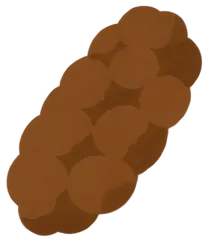 Suggests constipation
Type 2 · Lumpy
Hard and lumpy, but sausage-shaped.
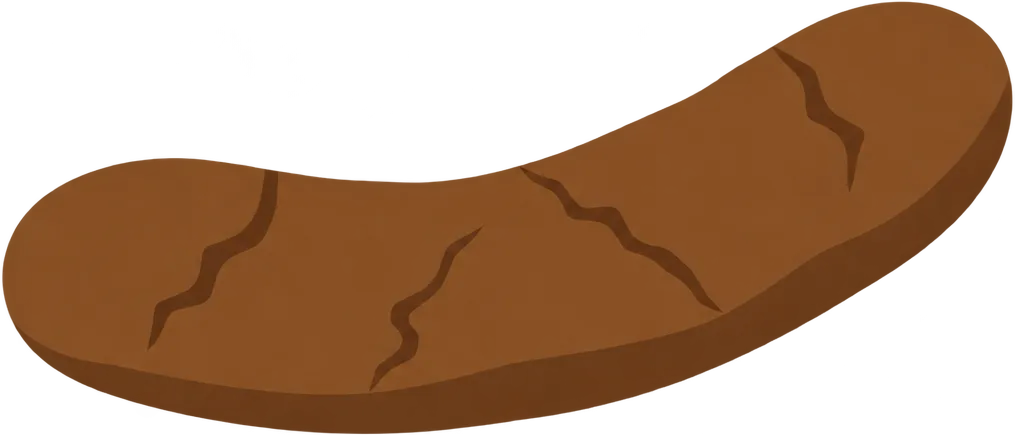 Most ideal
Type 3 · Cracked
Sausage-shaped, with cracks on the surface.
 Most ideal
Type 4 · Smooth
Smooth, soft and snakelike.
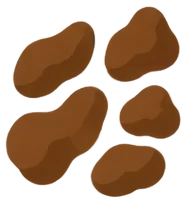 Suggests diarrhea
Type 5 · Blobs
Soft blobs with clear-cut edges.
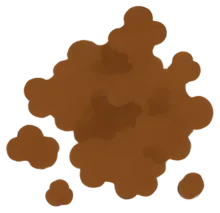 Suggests diarrhea
Type 6 · Mushy
Fluffy, mushy pieces with ragged edges.
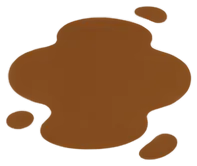 Suggests diarrhea
Type 7 · Watery
Watery, liquid poop, with no solid pieces.
When not to wait
The NHS says to ask for an urgent GP appointment or get help from NHS 111 if:
- you have lost a lot of weight for no reason
- you're bleeding from your bottom or have bloody diarrhoea
- you find a hard lump or swelling in your tummy
- you have shortness of breath, noticeable heartbeats (palpitations) and skin that's paler than usual
NHS: symptoms of IBS . Outside the UK, contact your doctor or urgent care.
One poop is a guess. Two weeks is a record.
Print the free food and symptom diary, or get the app that logs a type in one tap.